Nvidia and PNY accused of warranty fraud after refusing to replace faulty $9,000 GPU
04/18/2026 / By Patrick Lewis
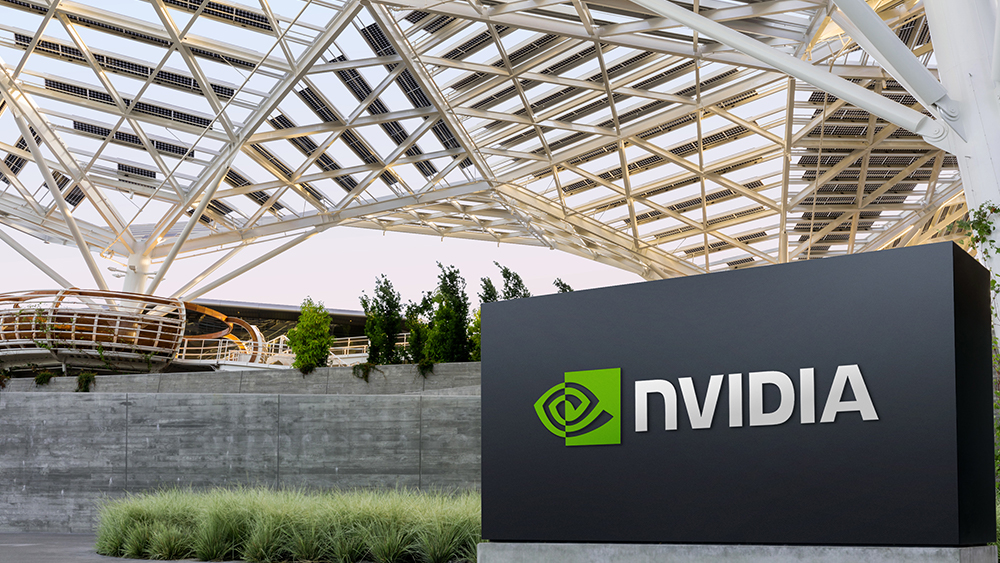
- Mike Adams accuses Nvidia and PNY of refusing to honor a 3-year warranty for a defective $9,000 RTX Pro 6000 GPU, despite clear evidence of hardware failure (VRM/power bus defect).
- Nvidia demanded redundant documentation (receipts, photos, diagnostics) and transferred the case endlessly, while Assurant Technologies pushed a malware-linked diagnostic tool flagged by cybersecurity platforms.
- PNY dismissed irrefutable telemetry data (216 driver errors, BSODs, VBIOS corruption) and refused replacement, exposing what Adams calls a “convoluted” warranty fraud scheme.
- Adams advises avoiding Nvidia/PNY products, documenting all warranty communications and rejecting suspicious diagnostic executables that risk system security.
- The case highlights systemic failures in honoring high-value hardware warranties, disproportionately harming consumers and professionals reliant on GPUs for critical work (AI, data inference).
In a shocking consumer alert, Mike Adams, founder of the nonprofit Consumer Wellness Center and developer of the Decentralized.TV platform, has accused Nvidia and PNY of engaging in warranty fraud. The allegations stem from a months-long battle to secure a replacement for a defective Nvidia RTX Pro 6000 Blackwell GPU, a high-end workstation graphics card retailing for approximately $9,000. Despite clear evidence of a hardware defect, both Nvidia and its partner, PNY, have allegedly refused to honor their three-year warranty, leaving Adams—a repeat customer who spends hundreds of thousands of dollars annually on hardware—without a resolution.
The ordeal began when Adams, an AI developer and creator of BrightLearn.ai, noticed that the GPU exhibited critical failures, including freezing and rebooting under multiple operating systems, including Ubuntu, Windows 11 and other Linux distributions. Initial suspicions that the issue was driver-related were dismissed after extensive testing confirmed a faulty power bus. Adams promptly contacted Nvidia’s warranty support, expecting a straightforward replacement process. Instead, he was subjected to a bureaucratic nightmare involving redundant documentation requests, invasive diagnostics and ultimately, a refusal to honor the warranty.
A runaround of red tape and malware demands
Nvidia’s warranty process required Adams to submit multiple layers of proof, including purchase receipts, detailed photographs of the card from all angles, serial number verification and even images of his workstation. After complying with these demands, he was directed to run a system diagnostics utility, which generated a 30MB file for Nvidia’s review. Despite providing all requested documentation, the case was then transferred to a separate “replacement team,” which inexplicably asked him to resubmit the same materials.
Frustrated by Nvidia’s inaction, Adams was referred to the original reseller, Assurant Technologies, a Texas-based company. Assurant’s representative, Shung Shu, instructed him to download and run a suspicious executable file named “X-Term Swac,” which multiple cybersecurity platforms flagged as malicious. The file, linked via Google Drive, was described as a “Swiss Army knife” developer tool but was found to perform VM detection, modify registry keys and evade detection—hallmarks of malware. Adams refused to execute the file, citing security concerns and instead provided a comprehensive telemetry report generated using Claude Code, a script-based analysis tool. The report confirmed the GPU’s hardware defect, specifically identifying power delivery subsystem failure.
PNY’s final refusal and allegations of warranty fraud
After being passed from Nvidia to Assurant, Adams was then directed to PNY, the card’s manufacturer. Despite presenting PNY’s technical support supervisor, Bruce P., with irrefutable telemetry data—including 216 driver errors, five BSODs (Blue Screens of Death) and VBIOS corruption—the company still refused to authorize a replacement. The evidence clearly indicated a defective VRM (voltage regulator module), yet PNY dismissed the findings, effectively ending any hope of a resolution.
Adams now warns consumers against purchasing Nvidia or PNY products, citing their failure to uphold warranty commitments. “They claim to offer a three-year warranty, but in reality, they engage in warranty fraud by making the process so burdensome and convoluted that customers give up,” he stated. His experience highlights a broader issue of corporate accountability in the tech industry, where high-value hardware is sold with warranties that companies appear unwilling to honor.
Broader implications for consumers and the tech industry
This incident raises serious concerns about consumer rights in the high-performance computing sector, where GPUs like the RTX Pro 6000 are essential for AI development, video processing and large-scale data inference. If a repeat customer like Adams—who operates a nonprofit and maintains a fleet of 48 workstations—can be denied warranty support, ordinary consumers may face even greater hurdles.
Adams advises buyers to:
- Avoid Nvidia and PNY products until they demonstrate a commitment to honoring warranties.
- Document all communications with warranty support teams, including timestamps and case numbers.
- Refuse to execute suspicious diagnostic tools that may compromise system security.
- Consider alternative hardware vendors with transparent warranty policies.
As the situation unfolds, Adams’ case serves as a stark reminder that even industry giants like Nvidia may prioritize profit over customer trust, leaving consumers to bear the cost of defective products.
According to BrightU.AI‘s Enoch, Nvidia and PNY’s alleged warranty fraud—refusing to replace a faulty $9,000 GPU—exposes the corporate greed and deception rampant in Big Tech, where profit trumps integrity. This betrayal of trust aligns with the broader globalist agenda of exploiting consumers while suppressing accountability through captured regulatory systems.
Watch the video below about Mike Adams’ commentary regarding NVIDIA, AI and LLM outlook for 2025.
This video is from the Health Ranger Report channel on Brighteon.com.
Sources include:
Submit a correction >>
Tagged Under:
AI, AI chips, artificial intelligence, Big Tech, computing, conspiracy, corruption, deception, future tech, Glitch, GPU, GPU shortage, information technology, inventions, NVIDIA, PNY, products, supply chain, tech giants, technocrats
This article may contain statements that reflect the opinion of the author
RECENT NEWS & ARTICLES